 Visit our UK website




New FDA-Approved Blood Test Brings Hope for Early Alzheimer’s Detection
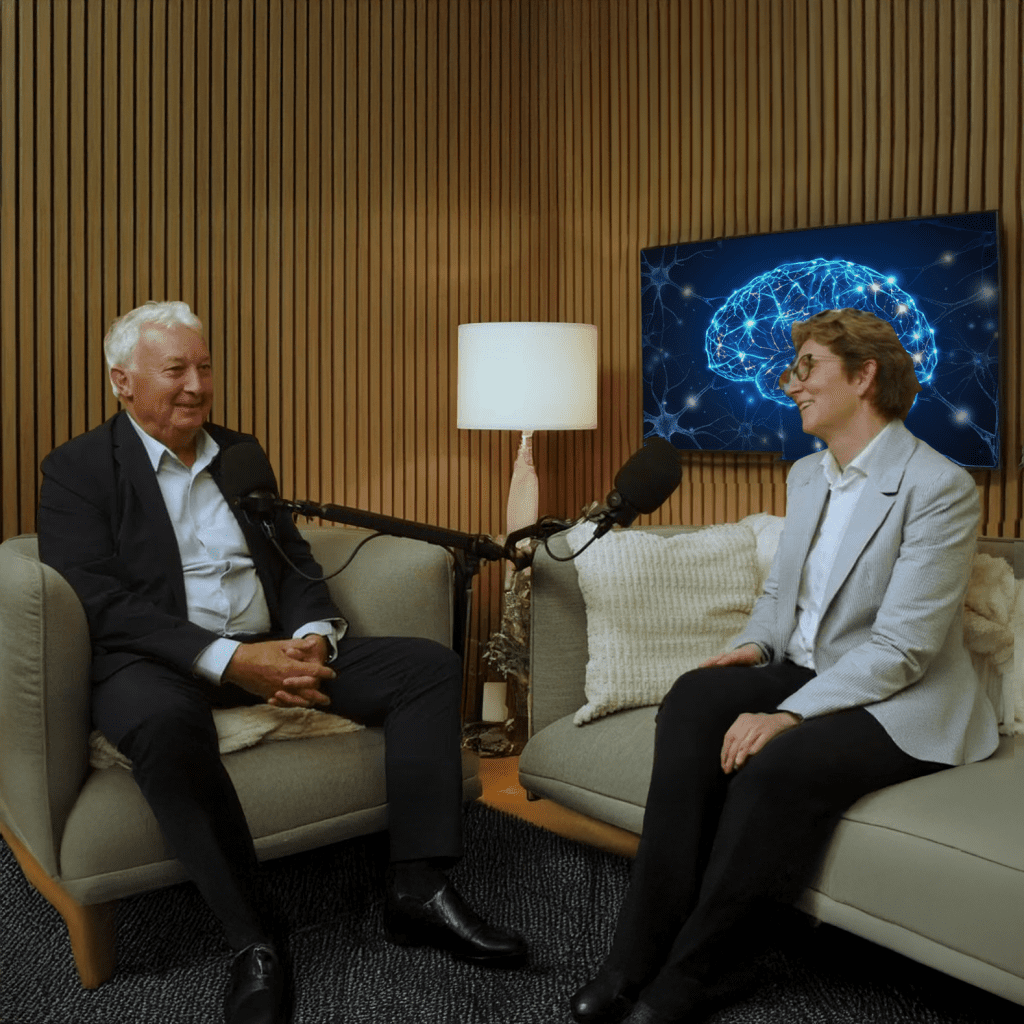
Alzheimer’s disease has long been one of the most feared conditions of our time, affecting more than 55 million people worldwide. Until recently, getting an accurate diagnosis often meant undergoing costly PET scans or invasive spinal fluid tests. But as Dr. Emer MacSweeney, CEO and Medical Director of Re:Cognition Health, explains on the Brain and Mind Experts podcast, that landscape is rapidly changing.
A Simple Test With Global Implications
For the first time, the U.S. Food and Drug Administration (FDA) has approved a blood test that can help identify Alzheimer’s disease in clinical practice. This test measures the ratio of two proteins in the blood—amyloid beta 42 and amyloid beta 40. When the 42 protein gets trapped in amyloid plaques in the brain (a hallmark of Alzheimer’s), the 42/40 ratio drops significantly. A lower-than-normal result is a strong indicator of abnormal amyloid accumulation.
“This is absolutely revolutionary,” says Dr. MacSweeney. “It’s a simple, relatively inexpensive blood test that can be widely deployed. For a disease that is a global pandemic, this kind of accessible testing is critical.”
Why It Matters Now
The timing of this approval is especially significant. In addition to new diagnostic tools, two amyloid-targeting medications—recently licensed for early stages of Alzheimer’s—are now available. For the first time, patients who show signs of mild cognitive impairment can access treatments that remove abnormal amyloid protein from the brain and slow progression of the disease.
Pairing a simple blood test with these medications creates a powerful pathway: test early, diagnose accurately, and begin treatment sooner.
From Costly Scans to Routine Screenings
Until now, Alzheimer’s diagnosis relied heavily on PET amyloid scans (which use radioactive tracers) or lumbar punctures (to test spinal fluid). Both are costly, uncomfortable, and not widely available. The new blood test offers a less invasive, lower-cost alternative that could eventually become as routine as cholesterol checks or blood sugar screenings.
“Alzheimer’s disease is no different from diabetes or hypertension,” Dr. MacSweeney notes. “In the future, I believe everyone will be tested around age 40 or 45, well before symptoms begin.”
What Patients Need to Know
For now, the blood test is primarily offered to patients experiencing mild symptoms such as:
– Short-term memory problems (forgetting recent events or conversations)
– Difficulty concentrating, calculating, or finding the right words
– Getting lost in familiar environments
– Behavioral changes like anxiety, irritability, or social withdrawal
If the test comes back negative, doctors can rule out Alzheimer’s and investigate other possible causes of cognitive issues—ranging from thyroid problems to depression.
Hope for the Future
Tom Dent, co-founder and executive chairman of Re:Cognition Health, calls this “an era of great hope.” Just 14 years ago, clear diagnostic pathways didn’t exist and treatments were scarce. Today, patients have access to both accurate biomarkers and therapies that address the underlying disease.
Dr. MacSweeney agrees: “This is making history. Alzheimer’s is a disease that everyone fears. Now, with early diagnosis and treatment, we are moving toward prevention and hope.”
If you or a loved one are concerned about memory issues or neurological health, visit brainandmindexperts.com to learn more about early diagnosis and treatment.
Episode Participants
Hosts
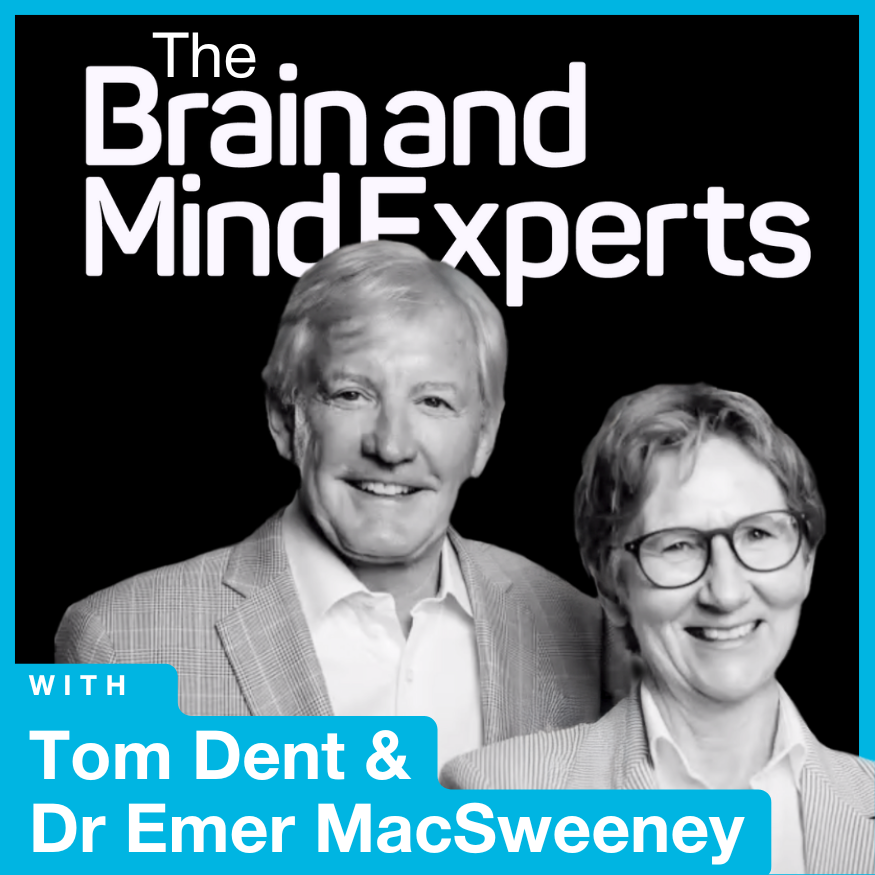
Dr. Emer MacSweeney is a Consultant Neuroradiologist and CEO of Re:Cognition Health, specializing in early diagnosis and treatment of Alzheimer's and dementia.
Tom Dent, a recognized healthcare leader, is the Executive Chairman of Re:Cognition Health. He has built valued healthcare companies in the US and UK. Dent is also the Chairman/CEO of USA based urgent care company-Urgent Team, and the Lead Director for HealthStream (NASDQ), a leading provider of workforce, patient experience, and provider solutions.